
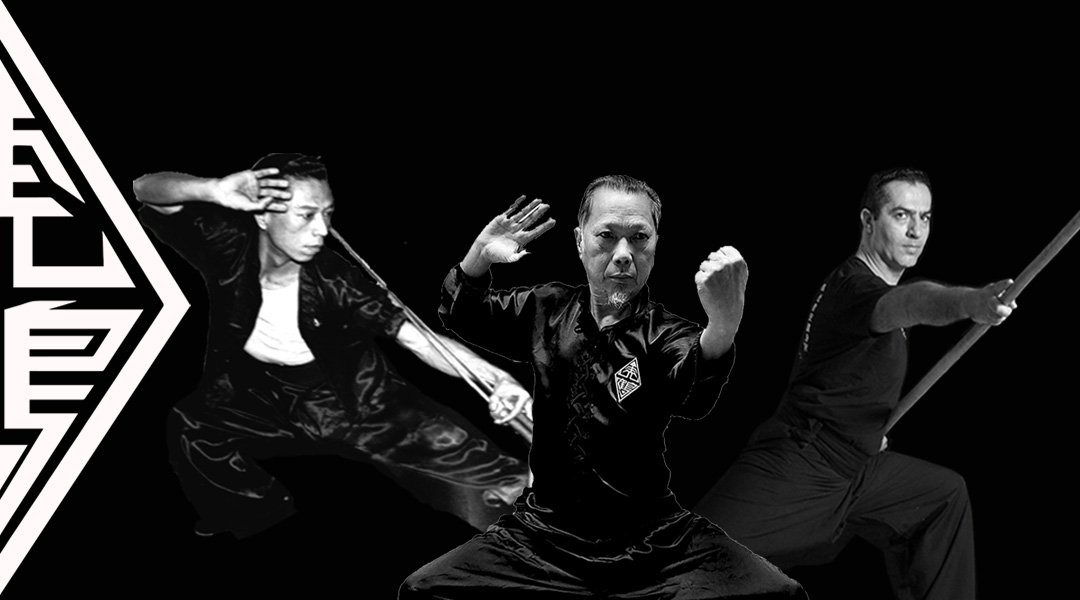
In the traditional martial arts, lineage is often described as a "Golden Thread." It connects the practitioner to a proven method and ensures that the principles being trained are refinements passed down through generations. However, in our modern era, the way we validate this connection has undergone a significant shift.
We have moved from a culture of demonstrated capability to a culture of documented authority.
The problem with seeking lineage validation on the internet is that certificates travel much faster than skill.
The Map is Not the Territory
Lineage documentation was originally intended to be a byproduct of years of Gung—the honest work and years of hardship required to achieve proficiency. It was a simple acknowledgement of a journey already traveled. Today, the online martial arts community has turned documentation into a currency. While one might hope this shift was accidental, it has created a landscape where the "map" is often valued more than the "territory."
We see a growing trend of people promising mastery after a weekend course, gateways into "secret techniques" learned via video calls, and individuals becoming "disciples" overnight. This is the product of the "YouTube Master" era, where documentation and proximity are mistaken for competence.
A digital image of a certificate provides a sense of instant legitimacy. It is easy to share and even easier to use as a shield. But a certificate can only grant a title; it cannot grant the years of repetition required to make a system functional, nor can it forge the character of a truly skilled practitioner.
Lineage is meant to be a living transmission of capability, experience, and martial values. It is something earned through the body, not something given on a page.
The Reality of the "Gung"
The term Kung Fu (Gung Fu) fundamentally refers to skill achieved through time and effort. This "honest work" cannot be bypassed. You cannot download the structural integrity of a bridge, nor can you screenshot the psychological resilience that comes from years of demanding practice.
In the digital world, documentation has become a substitute for presence. We see practitioners spending more time defending their paperwork than refining their method. But in the reality of the Kwoon, the body cannot lie.
Authenticity is not a historical list of names stored in a drawer; it is a living expression of the art. It is visible in how a person moves, how they manage pressure, and how they maintain the standards of the system without the need for a caption to explain it.
Validation Through the Person
Lineage is important because it provides the "Anchor" that keeps the art from drifting into superficiality. It is the repository of a system’s collective intelligence. But when documentation becomes the primary measure of authenticity, the art begins to lose its clinical edge.
A genuine teacher understands that their own skill—and the skill of their students—is the only true validation of their lineage. If the practitioners cannot express the principles of the system, the most prestigious certificate in the world becomes a hollow artifact.
Ultimately, the highest form of validation in martial arts is not found in a frame on a wall, your Facebook profile, an Instagram post, or a YouTube rant. It is found in the work and in the person.
When we prioritize the Gung over the documentation, the art remains a breathing, functional reality. Authenticity is not found in the ink; it is found in the integrity of the practice and the resilience of the practitioner.